

Upgrading your grow facility’s lighting system can significantly improve yields, energy efficiency, and overall plant health. But for many cultivators, the thought of a lighting retrofit can be daunting. Concerns about disrupting daily operations, impacting plant cycles, or causing downtime often hold facility managers back. The good news is that with careful planning and the right approach, a lighting retrofit can be accomplished smoothly, often with minimal disruption to your ongoing operations.
Here’s how to plan a lighting retrofit without putting your facility on pause.
1. Assess Your Current Lighting System
Before making any decisions, start with a thorough assessment of your current lighting setup. Understand what’s working well and where improvements are needed. Consider factors like:
- Lighting intensity and distribution: Are there dark spots in the canopy? Are your lights delivering uniform coverage across all plants?
- Energy consumption: Are your current fixtures consuming more energy than necessary?
- Maintenance and reliability: Are your existing lights prone to failure or expensive to maintain?
Gathering this data will help you select the right retrofit solution and ensure it aligns with your production goals.
2. Define Your Goals for the Retrofit
A retrofit is more than just replacing old lights; it’s an opportunity to optimize your facility. Clearly define your goals so you can make informed decisions:
- Increase yield or quality: Different lighting technologies can affect plant growth, cannabinoid levels, and flowering cycles.
- Reduce energy costs: Upgrading to more efficient lighting can significantly lower your utility bills.
- Enhance flexibility: Modern systems often allow for programmable light schedules and intensity adjustments.
Knowing your priorities will guide fixture selection, layout design, and installation strategy.
3. Plan in Phases to Minimize Disruption
One of the most effective ways to retrofit without disrupting operations is to approach the project in phases. Instead of shutting down the entire facility, you can replace lights section by section. Here’s how:
- Zone by zone installation: Divide your facility into manageable zones. Complete the retrofit in one zone while the others continue production.
- Off-peak work schedules: Plan installation during periods when plant activity is lower, such as post-harvest or early vegetative stages.
Phased installation reduces downtime and keeps your operations running smoothly.
4. Coordinate With Your Team
Communication is key to a successful retrofit. Bring your team together to discuss the plan, assign responsibilities, and anticipate challenges. Key considerations include:
- Grow technicians: They’ll need to monitor plant response during and after the retrofit.
- Maintenance crew: They’ll assist with electrical work, fixture mounting, and troubleshooting.
- Management: They’ll help coordinate schedules, budgeting, and resource allocation.
By involving everyone early in the planning process, you can prevent surprises and ensure a smooth workflow.
5. Evaluate the Right Fixtures and Controls
Not all lighting solutions are created equal. When retrofitting, choose fixtures that meet your production goals and facility constraints:
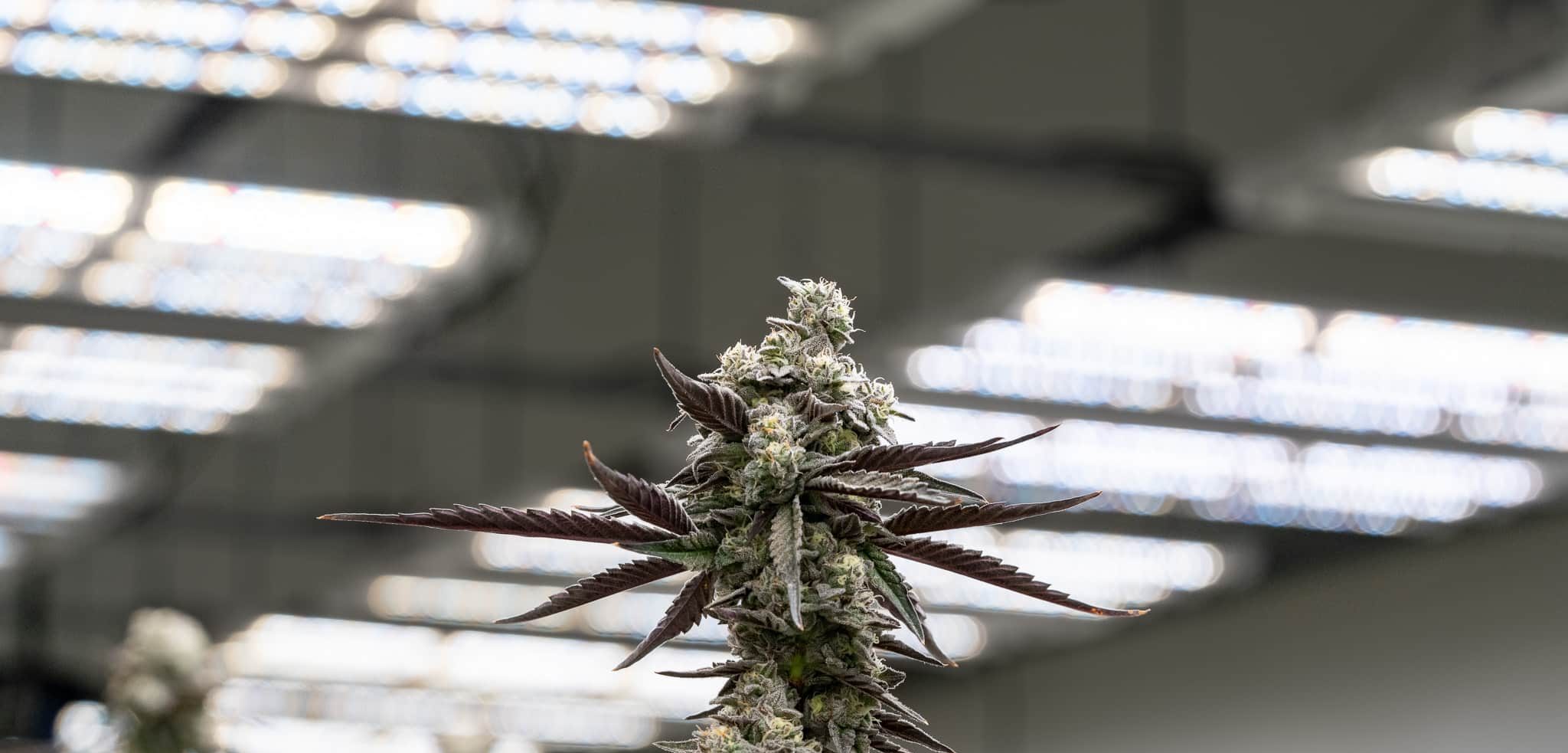
- LED vs. traditional lighting: LEDs often offer higher efficiency, longer lifespan, and programmable spectrum options. However, transitioning from HID or HPS lights requires careful evaluation of canopy penetration and light uniformity.
- Dimming and automation: Fixtures with dimming capabilities and integration with lighting control systems allow for gradual transitions and fine-tuned light management.
- Compatibility: Make sure the new system can be installed without major electrical rewiring or structural modifications.
When upgrading to LEDs, it’s essential to ensure your HVAC design is properly matched to your new lighting system. While LEDs reduce radiant heat compared to HPS fixtures, they drive higher plant photosynthesis rates, which increases transpiration and, in turn, the facility’s latent heat load. This means your dehumidification system may need to work harder, or be recalibrated, to maintain an ideal temperature and humidity balance. Aligning your lighting and HVAC strategies ensures a stable growth environment and prevents post-retrofit climate issues.
Choosing the right technology and supporting systems reduces installation time and minimizes operational disruption.
6. Schedule Proper Downtime
Even with phased installation, some downtime may be unavoidable. Schedule it strategically to minimize impact:
- Coordinate with plant growth stages: Avoid retrofitting critical flowering periods where light stress could impact yield.
- Plan buffer time: Allow extra time for installation, testing, and troubleshooting before fully resuming operations.
- Communicate downtime to all stakeholders: Ensure your team and any external contractors know the exact timing to prevent miscommunication.
A well-planned downtime window can make the retrofit seamless rather than stressful.
7. Test and Monitor Performance
After installation, don’t just walk away. Testing and monitoring are critical to ensure the new system delivers the intended benefits:
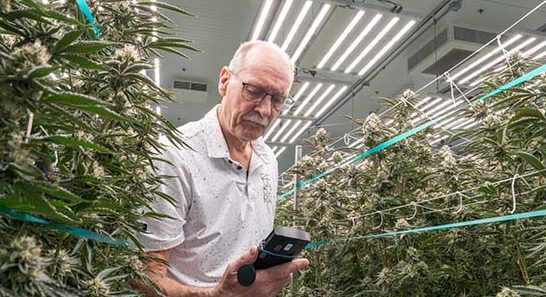
- Measure light intensity and uniformity: Use a PAR (Photosynthetically Active Radiation) meter or similar tools to confirm proper coverage.
- Monitor plant response: Observe plant growth, flowering, and overall health for any signs of stress.
- Adjust controls as needed: Use programmable lighting systems to fine-tune intensity, duration, and spectrum based on plant performance.
Continuous monitoring allows you to catch issues early and optimize results without compromising production.
8. Maintain Safety and Compliance
During a retrofit, safety should always be a top priority:
- Electrical safety: Ensure all electrical work follows local codes and regulations. Hire certified electricians if needed.
- Workplace safety: Protect your team with proper PPE, ladder safety, and fall protection.
- Product safety: Avoid exposing plants to sudden changes in light or temperature that could stress them.
Maintaining safety and compliance protects your team, your facility, and your crop.
9. Partner With Experts
Lighting retrofits can be complex, and partnering with experienced professionals can save time and prevent costly mistakes. Leverage your resources. Companies like FOHSE provide guidance, equipment, and support for growers looking to upgrade their lighting systems. Expert support ensures your retrofit goes smoothly from planning to execution.
10. Plan for Future Scalability
A lighting retrofit isn’t just about the present; it’s an investment in the future. Consider long-term scalability:
- Expandable systems: Choose fixtures and controls that can grow with your facility.
- Energy efficiency: Lower operating costs now mean more resources for expansion later.
- Flexibility in spectrum and intensity: Depending on the strain you’re growing, they may require different light recipes, so having adaptable lighting is a major advantage.
By planning with scalability in mind, your retrofit can continue to deliver value for years to come.
Final Thoughts
A lighting retrofit doesn’t need to be a stressful disruption. With careful planning, phased installation, and a clear understanding of your goals, you can upgrade your facility while keeping operations running smoothly. From evaluating your current system to selecting the right fixtures, scheduling strategically, and monitoring plant response, every step matters in creating a seamless transition.
Investing in a well-planned lighting retrofit not only enhances your yield and efficiency but also positions your facility for future growth. With the right approach and support from experienced partners, a lighting upgrade can be a smooth, and rewarding process, without missing a beat in your daily operations.
Ready to upgrade your grow facility without disruption? FOHSE’s team of lighting experts can help you plan and execute a retrofit that boosts performance, efficiency, and plant health. Contact us today to get started.
Frequently Asked Questions About Lighting Retrofits
- Will a lighting retrofit disrupt my daily grow operations?
Not necessarily. Many retrofits can be completed in phases, zone by zone, allowing other areas of the facility to continue operating. - How long does a typical lighting retrofit take?
The timeline depends on the size of your facility and the scope of the upgrade. Small sections can sometimes be completed in a few hours, while full-scale retrofits may take several days to weeks. Phased installation helps minimize operational impact. - Can I retrofit LED lighting over existing fixtures?
Yes, many LED retrofit options are designed to integrate with existing infrastructure, though some modifications may be needed for optimal performance. It’s important to ensure proper canopy coverage, light intensity, and electrical compatibility. - Will changing my lights affect plant growth or yield?
When properly planned, a lighting retrofit can improve plant growth, yield, and quality. Monitoring plant response and gradually adjusting light intensity and spectrum during installation helps prevent stress or setbacks. - How do I ensure uniform light distribution after a retrofit?
Use tools like PAR meters to measure light intensity across the canopy. Strategic fixture placement and dimming controls can correct uneven coverage and maximize canopy uniformity. - What are the energy savings from upgrading to LED lighting?
LEDs are generally more energy-efficient than traditional HID or HPS lights, often reducing electricity costs by 30–50% while maintaining or improving plant performance. The exact savings depend on facility size, fixture type, and operating schedule. - Should I hire professionals for my retrofit?
Working with lighting specialists and certified installation teams ensures the retrofit is done safely, efficiently, and with minimal disruption to your operations. Expert guidance can also help optimize light recipes for your crops. - How can I plan a retrofit without halting production?
Careful planning is key: phase the installation zone by zone, schedule work during off-peak growth periods, communicate with your team, and use temporary lighting if necessary. This approach keeps operations running smoothly. - Are there any safety considerations during a retrofit?
Yes. Always follow electrical codes, use proper PPE, and ensure ladders or lifts are secure. Avoid sudden light or temperature changes that could stress plants, and consult professionals for complex electrical work. - Can a lighting retrofit prepare my facility for future expansion?
Absolutely. Modern, programmable lighting systems with scalable layouts and energy-efficient technology allow your facility to adapt to future crops, different growth cycles, and larger operations.